2.1 Grundlage des Fragebogens Hypothese
Meine Forschung beschäftigt sich mit dem Thema wie die Chekhov-Schauspiel-Methode sich für die Arbeit in der Jazzwelt eignet. Dafür habe ich einen umfassenden Fragebogen entworfen, der sich zusammenfassend aus den drei verschiedenen Studien ergeben hat. Als Grundlage stehen die drei für den Jazzbereich modifizierten Techniken Chekhovs: Geste, Atmosphäre und Imaginary Tool die sich auf drei Level fokussieren: emotionales level, kognitives level und körperliches level. Hierraus hat sich eine weitere Hypothese ergeben die als Hauptaussage dieses zweiten Fragebogens gestellt wird:
„Die Chekhov-Methode hat einen umfassenden Effekt auf die Authentizität und Künstlerpersönlichkeit eines oder“ Instrumentalistenim Jazzmusik-bereich.„
2.2 Ergebnisse aus dem Fragebogen
An dem Fragebogen hatte 15. Teilnehmer inklusive mir teigenommen. Hier werde ich nur die Ergebnisse der Sänger und Musiker auswerten. Davon waren 9 Sänger und 5 Instrumentalisten im Alter von 20-30, 4 männlich 10 weiblich, alles Bachelor oder Master- Studenten des Conservatoriums in Maastricht. In diese Gruppe gliedern sich alle Teilnehmer der Workshops ob einmal dagewesen oder jedes Mal die Teinehmer des „Forrest-Walk“ und die beiden Duo-Partner aus den Duo Sessions. Natürlich kann diese quantitative Umsfrage nur mögliche Tendenzen zeigen und eher als Voruntersuchung gesehen werden!
2.2.1 Which words do you associate with your Chekhov-experience?
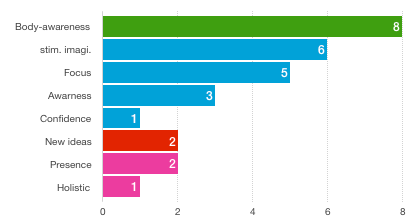
My evaluation, in this case, shows that most words chosen in this multi-choice question where: „Body awareness“(28,57%), „stimulation of imagination“(21,43%) and „focus“ (17,86%).
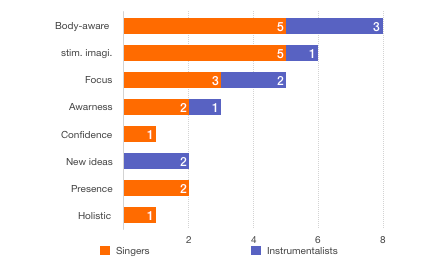
I seem that the method is perceived by many participants regardless of whether musicians or singers as „physical“. The questions about the cognitive area had the most number of votes, but that was also the largest group of 5 options. It is interesting that the options for the emotional level „new idea“ were very low and only crossed by musicians (20%) While the „presence“ 17,86% seemed more important to singers.
Bodily level
emotional level
kognitive level
Mix of all levels
2.2.2. Effect of the three Chekhov-Methods gesture, atmosphere and imaginary tool
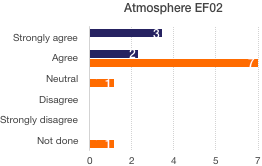
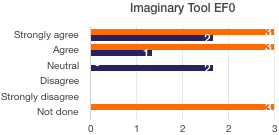
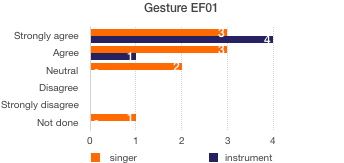
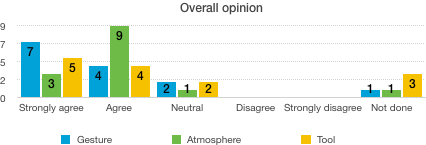
The agree answers shows a clear answer to the the tree methods (85,72%). Gesture (78,57%): Atmosphere 85,72% Imaginary Tool (64,29%). Interesting is that the gesture showed a little bit more impression on the musicians and the atmosphere on the singers, I thought it the other was around. But this is are of course small tendencies. I actually only used the imaginary tool intensively with the duo and the two gave the best rating from the instrumentalists. Despite the one time, we did the „tool“ in the workshops, the response from the singers was quite good. Interestingly, the atmosphere and the gesture did a little better with the instrumentalists than with the singers.
2.2.3. The Chekhov-Method gave me useful tools for improvisation
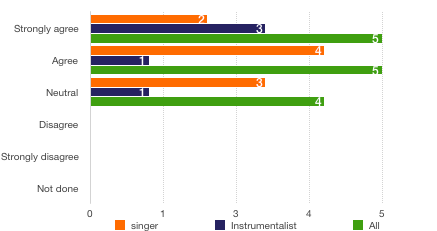
71,42% of all participants said that they agree, that the Method is a useful tool for improvisation in jazz (free-improvisation). When I look at the strong agreed answers the instrumentalists had 60% and the singers (22,22%)
2.2. Through the concentration on the gesture, atmosphere or imaginary tool I could better
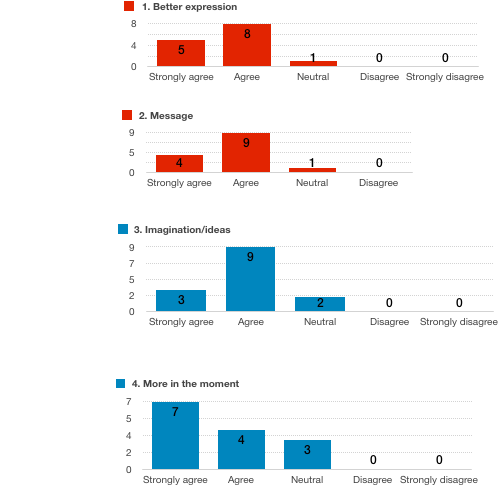
What catches the eye is, that there are two red emotional themes first: „Better expression“ and „Message“ (92,86%), which plays, in my opinion, an important role in the artistic personality. Then there are the following more blue topics („imagination“ 85,71 % and „more in the moment“ 78,57%) that speak for the „focus“: the imagination that challenges us to be in the moment. What you can clearly see is that the focus or the imagination expresses the message more clearly, as well as the expressiveness of the emotion, which is very interrelated. These answers are a good example to show this path from the brain to the emotion.
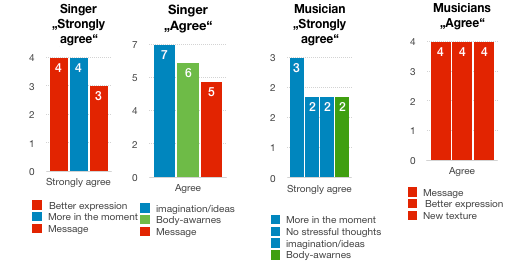
Singer versus Musicians
If I look at the „strongly agree“ answers, the singers could get a better connection to the message by focusing on the method and thus have a deeper emotional experience (77,77%). By the musicians, I noticed the blue cognitive areas have improved. Many also considered body awareness to be important.
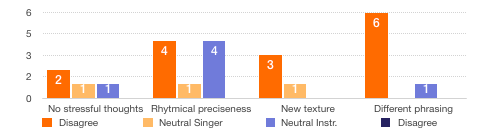
Where is Chekhov not working that good?
Perhaps the singers have had too little experience that the method can also be used to explore new sounds and textures and that the technique should improve phrasing. Rhythmic accuracy is the least associated with the method.
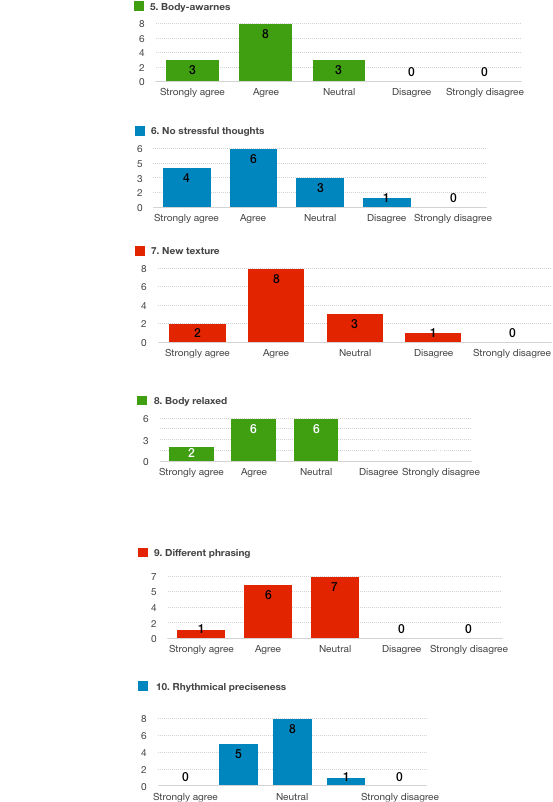
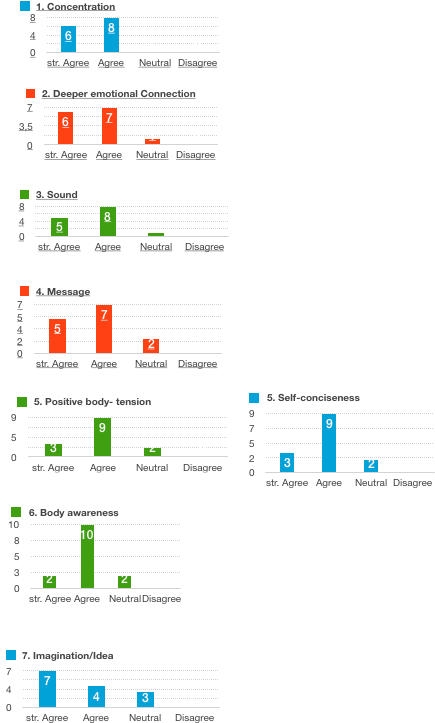
2.2. When I listened to the others I recognized a positive effect on
In this result, I sorted the answers from the most agree to the most disagree answers to see what the singers and musicians noticed the most from the outside.
Concentration is clearly the most mentioned (100% agreed from them 42,86% strongly) followed by deeper emotional connection to a song (92,86% agreed from them 42,86% strongly ) is interestingly on the second place, although it was not mentioned in the associations.
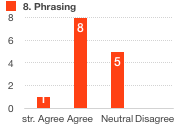
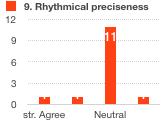
Which clearly has no effect on the performing was the better rhythm feel 85,71 % of the participants crossed neutral or disagree. More than the half of the participants 64,29% saw an effect on the phrasing, but it still not satisfying enough for me . But that could be a very interesting point for further research, because, in acting-world the Chekhov Method has a big influence in the kind of phrasing.
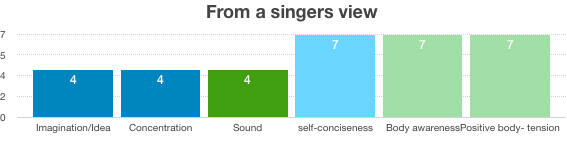
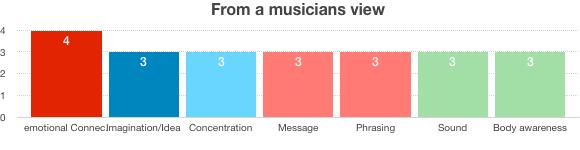
Difference between the groups
These are the best ratings for this category in the two groups singers and instrumentalists. Interesting is there is no emotional point in the singers group, they recognized from the outside more the kognitive and bodily changes. The instrumentalists saw a biggest difference in the performance on the emotional level, like emotional connection and message of a song.
2.2.The Chekhov-Method is a good starting point for ideas and suggestions for compositions.
It would be worthwhile to delve deeper into the topic of this special field in order to find good methods and processes that use Chekhov methods such as „the atmosphere“ ideally and structured for the basis of song and text writing and ideas.
It was interesting to see that 100% of the instrumentalists agrees that they found the method interesting for getting ideas for compositions compared to the singers 44,44%.
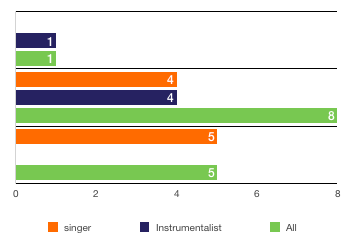
2.2 I’m still using the exercises or ideas of the technique
Most indicated that the method would continue to be used, although perhaps in its modified form or subconsciously. You can see a small tendency that instrumentalists can use this technique more consciously in their work, while singers may need more specific instructions.
- my own way 35,72 % subconscious 28,57
- 78,57% using the technique as I suggest it or in there own way or subconsciously
- 21,43% don’t use the method or don’t know how.
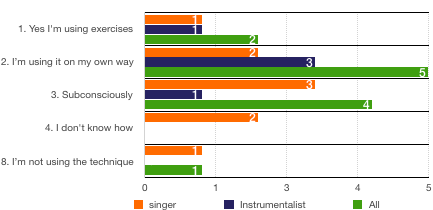
2.2.I am in need of …
The singers ticked rather similar answers than the instrumentalists with more different needs.
33,33 % of the singers are in need of more „focus / concentration“ exercises.
For 21,43 % of the participants are “body-awareness“ and „uniqueness of expression“ a need right now.
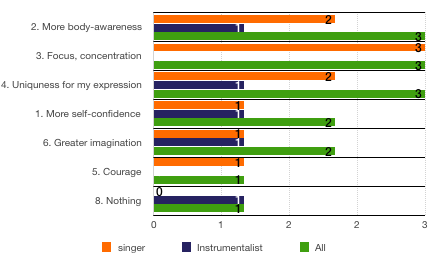
2.2. A method like the Chekhov-Method should have a regular place in the curriculum of a professional school of music
85,71 % agreed (42,86% of them strongly) that the Chekhov Method should have a regular place in a curriculum of a professional school of music.
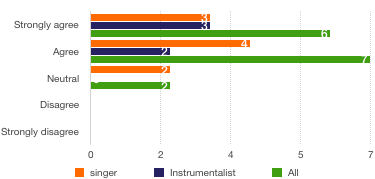
2.2. The Chekhov-Method gave me meaningful insights for my artistic development
This question was clearly answered with yes.
35,71 % strongly agree 62,29% agree
60% of the instrumentalists 22,22% of the singer voted for „strongly agree
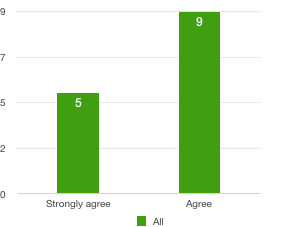
2.2.. The Chekhov-Technique has an impact on my uniqueness as an artist
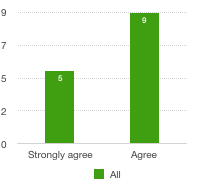
Very clear result that supports my hypothesis. The participants vote:
- 35,71 % strongly agree
- 62,29 agree
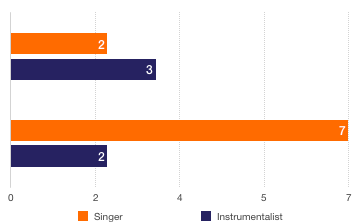
- 60% Instrumentalists 22,22% Singer voted for „strongly agree“
 Sebastian Stert